

Bone Marrow Transplant in India
Overview
Key Benefits
- ✓High-dose chemotherapy clears diseased marrow.
- ✓Rebuilds healthy blood-forming stem cells.
- ✓Half-matched (haploidentical) family donors are now a genuine option.
- ✓Provides access to seven Indian donor registries holding over 500,000 volunteers.
Full Details
A bone marrow transplant is not one operation. It's a sequence that runs eight to twelve weeks, involves a donor as well as a patient, and depends heavily on whether someone in your family is a genetic match. Families from Tashkent, Samarkand and Moscow ask us the same three things first: is my relative a match, what will it actually cost, and what paperwork do we need before we fly. This page answers those in order, using India's national clinical guidelines rather than marketing copy.
What a bone marrow transplant actually is
Doctors increasingly call it haematopoietic cell transplantation, or HCT. The principle is simple even if the process isn't: high-dose chemotherapy clears the diseased marrow, and healthy blood-forming stem cells are then infused to rebuild it.
Those stem cells come from one of three places — bone marrow itself, peripheral blood, or umbilical cord blood. Most transplants today use peripheral blood, collected through a machine rather than a needle into the hip bone.
The type of transplant depends on who donates.
| Type | Donor | Typical use | Key trade-off |
|---|---|---|---|
| Autologous | You. Your own cells are collected in remission, frozen, returned after chemotherapy | Multiple myeloma, relapsed lymphoma | No donor search, no graft-versus-host disease. Not an option if the marrow itself is diseased |
| Matched sibling (MSD) | A brother or sister who matches on 10 of 10 markers | Leukaemia, aplastic anaemia, thalassaemia | The best-understood option. Only some families have one |
| Haploidentical | A parent, child or sibling who matches on half | Same indications, when no full match exists | Opens the door for nearly every family. Higher graft-failure risk |
| Matched unrelated (MUD) | A volunteer from a donor registry | When no family donor is suitable | Adds registry fees and search time |
| Cord blood | A stored, donated umbilical cord unit | Mostly children | Tolerates mismatch. Engrafts slowly |
If you take one thing from this table, take this: a half-match from a parent or child is now a genuine option. Twenty years ago it wasn't. That single change is why families who were told "no donor, no transplant" at home are being accepted in India.
Will anyone in my family match?
This is where most journeys stall, so here are the real proportions. According to India's National Guidelines for Hematopoietic Cell Transplantation, only 20 to 30 percent of patients find a fully matched sibling. Another 5 to 10 percent find a match elsewhere in the family, more often where marriage within a community is common. That leaves roughly 60 to 70 percent of patients with no fully matched relative at all.
Those patients are not out of options. They move to a half-matched family donor or to a registry search. India's seven donor registries — DATRI, Jeevan, MDRI, Gene Bandhu, SCRI-BMST, BMCDT-BMR and the Arjan Vir Foundation — hold more than 500,000 volunteer donors between them, and Indian centres also draw on DKMS, the National Marrow Donor Program and Anthony Nolan abroad.
Matching is done by HLA typing, a blood test. For a family search, the patient, siblings and parents are typed first. If no full match appears, the guidelines require high-resolution typing across five gene pairs — HLA-A, -B, -C, -DRB1 and -DQB1 — for the patient and any alternative donor. For an unrelated donor the target is a 10 out of 10 high-resolution match. Under Indian guidelines this typing must be done at an NABL-accredited laboratory.
You can start this before you travel. If your HLA reports are incomplete, send us what you have and we'll tell you what's missing.
What it costs
Through Carehind, a bone marrow transplant in India costs between $22,000 and $25,000. This all-inclusive surgical estimate covers your entire medical roadmap, from pre-treatment diagnostics to the completion of post-discharge outpatient monitoring.
This range applies to autologous, matched sibling related, and haploidentical transplants. Transplants requiring a matched unrelated donor (MUD) are not quoted inside this baseline because registries charge their own independent procurement and selection fees directly. We quote registry procurement costs separately once a match has been established.
Here is the detailed itemization of the transplant cost:
| Component | Cost (USD) | What is Included |
|---|---|---|
| Pre-transplant evaluation | $1,800 – $2,100 | HLA typing across 10 loci, bone marrow biopsy, cardiac and pulmonary function assessment, viral screening |
| Donor evaluation & cell collection | $1,500 – $1,700 | Donor suitability certification, mobilization, apheresis or bone marrow harvesting, cell processing |
| Conditioning chemotherapy | $3,000 – $3,400 | Myeloablative or reduced-intensity conditioning regimen, serotherapy |
| Isolation-unit stay | $7,500 – $8,500 | 21–35 days in a positive-pressure air-filtered room, specialized nursing care, daily physician rounds |
| Medications & blood transfusions | $4,000 – $4,600 | Immunosuppressive drugs, antifungals, antibiotics, irradiated blood components |
| Post-discharge monitoring | $2,700 – $3,100 | 60 days: laboratory blood panels, chimerism testing, CMV monitoring, follow-up consults |
| Carehind coordination | $1,500 – $1,600 | Medical visa invitations, airport transfers, native translating liaison, recovery monitoring |
| Total | $22,000 – $25,000 |
For comparison, a bone marrow transplant in Western Europe or the United States easily exceeds $100,000. This pricing difference is driven entirely by lower operating overheads in India, including localized drug production and lower clinical staff salaries, while strictly maintaining international treatment standards.
The legal position, corrected
There's a persistent claim online that foreign bone marrow patients must clear a THOTA Authorization Committee, the way organ transplant recipients do — with apostilled birth certificates, embassy affidavits and a recorded family interview.
For bone marrow, that is generally not the pathway. Blood-forming stem cells are regenerative tissue and the donor's body replaces them. Transplant practice in India is governed by ICMR's National Guidelines for Hematopoietic Cell Transplantation, issued through the Ministry of Health and Family Welfare, and that framework does not route these cases through the organ Authorization Committee.
What the guidelines do require:
- Written informed consent from patient and donor, on separate prescribed forms. The donor's consent for marrow or peripheral blood collection is its own document.
- Independent donor clearance. A donor's fitness must be certified by a physician who is not part of the transplant team. This exists to protect the donor from pressure, including family pressure.
- A documented interpreter. Where language is a barrier for a foreign patient, the guidelines require a qualified interpreter, and that interpreter must sign the consent form with their name and identification.
That last requirement is worth pausing on. Your right to understand what you are consenting to is written into Indian national guidelines. It isn't a courtesy. Carehind's Russian and Uzbek medical translators sit in consultations, on ward rounds, and at the consent signing for exactly this reason.
You will still need a medical visa. We issue the hospital invitation letters for the patient and up to two attendants, and your donor travels on the same basis.
How the eight to twelve weeks unfold
Before you travel. Your reports go to the transplant team — marrow biopsy, cytogenetics, flow cytometry, chemotherapy history, organ function. If the team accepts the case, you get a video consultation with the treating haematologist and a translator on the call. Visa letters follow.
Arrival and confirmation. A coordinator and translator meet you at Delhi airport. HLA typing is repeated at the treating centre regardless of what your home reports say, and disease status is reassessed. Donor workup runs in parallel.
Conditioning. The patient is admitted to a dedicated transplant unit. Indian guidelines set the standard for these rooms directly: positive pressure, filtered or laminar airflow, a minimum of twelve air exchanges per hour in a new unit and at least six in an established one, with a nurse-to-patient ratio no worse than one to two. A central line goes in. Then conditioning chemotherapy, either full-intensity or reduced-intensity depending on disease and fitness.
Day 0 and engraftment. The infusion itself is undramatic — it looks like a transfusion. The fortnight that follows is the hard part. Blood counts fall to nothing and the patient is vulnerable to infection while the new cells take hold. Expect fevers, mouth ulcers and profound fatigue. This phase is why the isolation unit exists.
Recovery outside hospital. After discharge patients stay near the hospital, attending clinic once or twice weekly for blood counts, drug levels and viral monitoring. Chimerism testing — measuring how much of the marrow is now donor-derived — is done around days 28, 60 and 90. Infection precautions continue for at least 100 days. Flight clearance comes when counts are stable and complications have settled.
Honest numbers on what can go wrong
Any page that tells you this is straightforward is selling something. Here is what the national guidelines record.
Graft-versus-host disease occurs in about 45 percent of all transplants. The donor's immune cells recognise the recipient's body as foreign and attack skin, gut and liver. It's usually milder with a matched family donor. It is managed with immunosuppressive drugs, and around half of patients respond to steroids alone. It can also be severe, and it can be fatal.
Graft failure — the new marrow not taking, or being lost after it does — runs below 5 percent in autologous, matched sibling and matched unrelated transplants. It rises to 10 percent or more with half-matched and cord blood transplants.
Infection is near-universal during the aplastic phase and is the reason for the isolation unit, the prophylactic antibiotics and the strict diet.
Long-term effects include infertility, which is likely rather than possible, and a small increased risk of second cancers. Fertility counselling should be offered before conditioning starts. If nobody has raised it with you, raise it yourself.
For your donor, the risks are real but modest: discomfort at the collection site, fainting, temporarily low calcium, and flu-like symptoms from the drug used to mobilise cells. Serious complications such as spleen injury are rare.
Follow-up doesn't stop at discharge. Guidelines set monthly review for the first year, three-monthly in the second, then six-monthly. Most of that happens with your own haematologist at home, and Carehind coordinates those video reviews with the Indian team.
Where this is done, and by whom
India has more than 95 transplant centres, with over 19,000 transplants reported nationally and 73 percent of those performed in the eight years before the guidelines were published. Volume matters here: national standards require a centre to perform at least ten transplants a year, and at least ten matched related transplants before offering alternative-donor work.
Within Carehind's verified network, bone marrow transplant is led by Dr. Esha Kaul, Director of Haemato-Oncology and Bone Marrow Transplant at Cancer Institute, Medanta, Noida. She holds an MBBS and MD in Medicine with a fellowship in Haematology and Stem Cell Transplantation, is ABIM certified in internal medicine and haematology, and trained at AIIMS. She has 18 years in practice and more than 800 transplants, including haploidentical and unrelated donor cases.
Cancer Institute, Medanta is NABH accredited. Carehind's wider partner network of more than 30 hospitals includes JCI-accredited centres, and where your case is better suited to another unit we'll say so rather than route you by default.
Common questions
Does my donor have to be a blood relative?
No. A half-matched relative is the most common route when there's no full sibling match, but registry donors are used too. What matters is HLA compatibility, confirmed by testing.
Can my donor travel with me?
Yes, and they need to. We arrange the medical visa invitation for the patient and up to two attendants, which covers a donor and one family member.
How long am I actually in India?
Plan on eight to twelve weeks. Roughly three to five of those are inpatient; the rest is outpatient recovery near the hospital before you're cleared to fly.
Who decides if my relative can donate?
A physician independent of the transplant team. This is deliberate — it protects a donor who feels obliged to say yes.
What if we can't find any donor?
Registry searches take time and don't always succeed. If no option exists we'll tell you, rather than bringing you to Delhi to find out.
Will there be a translator?
Yes, in consultations, on rounds, and at consent signing. Indian national guidelines require a documented qualified interpreter for foreign patients.
Is the estimate you send the final price?
It's itemised, with exclusions stated. Complications can add cost, and any provider claiming otherwise is guessing.
Starting the conversation
If you're weighing this up, the useful first step is small: send your recent marrow biopsy, blood counts and any HLA typing you already have to WhatsApp +91 63064 57591. A coordinator will tell you what's missing and whether the case is likely to be accepted. That review is free and carries no obligation.
If you'd rather talk first, book a video consultation with a Russian- or Uzbek-speaking coordinator, or message us on Telegram.
---
SEO metadata
- Meta title (57 chars): Bone Marrow Transplant in India: Cost, Process & Hospitals
- Meta description (156 chars): What a bone marrow transplant in India actually involves: donor matching, national guidelines, honest complication rates, and the documents foreign patients need.
- Canonical: `https://carehind.co/treatments/bone-marrow-transplant/`
- H1 appears once. Primary keyword in H1, first 100 words, and two H2s.
- Image alt text: describe content specifically, e.g. "HLA typing blood sample processed at an NABL-accredited laboratory" — not "bone marrow transplant".
hreflang (subdirectory structure — confirmed)
```html
```
⚠️ Site-wide fix required first: the homepage language switcher points to `/ru/` and `/uz/`, but `/doctors/` and doctor profile pages point to `ru.carehind.co` and `uz.carehind.co`. The blog switcher has no links at all. Standardise on subdirectories before this page ships.
JSON-LD
```json
{
"@context": "https://schema.org",
"@graph": [
{
"@type": "MedicalProcedure",
"@id": "https://carehind.co/treatments/bone-marrow-transplant/#procedure",
"name": "Bone Marrow Transplantation",
"alternateName": ["Haematopoietic Cell Transplantation", "HCT", "HSCT", "BMT"],
"description": "Replacement of diseased bone marrow with healthy blood-forming stem cells from the patient or a matched donor.",
"bodyLocation": "Bone Marrow",
"relevantSpecialty": { "@type": "MedicalSpecialty", "name": "Hematology" }
},
{
"@type": "Physician",
"@id": "https://carehind.co/doctors/dr-esha-kaul/#physician",
"name": "Dr. Esha Kaul",
"jobTitle": "Director - Haemato-Oncology & Bone Marrow Transplant",
"medicalSpecialty": "Hematology",
"worksFor": { "@type": "Hospital", "name": "Cancer Institute, Medanta, Noida" }
},
{
"@type": "FAQPage",
"mainEntity": [
{
"@type": "Question",
"name": "Does a bone marrow donor have to be a blood relative?",
"acceptedAnswer": {
"@type": "Answer",
"text": "No. A half-matched (haploidentical) relative is the most common route when no fully matched sibling exists, but volunteer registry donors are also used. What matters is HLA compatibility confirmed by testing at an accredited laboratory."
}
},
{
"@type": "Question",
"name": "How long do international patients stay in India for a bone marrow transplant?",
"acceptedAnswer": {
"@type": "Answer",
"text": "Eight to twelve weeks. Roughly three to five weeks are inpatient in a dedicated transplant unit, and the remainder is outpatient recovery near the hospital before flight clearance is issued."
}
},
{
"@type": "Question",
"name": "Do foreign bone marrow transplant patients need THOTA Authorization Committee approval in India?",
"acceptedAnswer": {
"@type": "Answer",
"text": "Generally no. Bone marrow transplant practice in India follows ICMR's National Guidelines for Hematopoietic Cell Transplantation, which require written informed consent from patient and donor, independent certification of donor fitness, and a documented qualified interpreter for foreign patients."
}
}
]
}
]
}
```
⚠️ Add `Organization` schema at site level rather than repeating it per page.
Internal links — all verified live 31 Jul 2026
| Anchor | Target | Type |
|---|---|---|
| Dr. Esha Kaul | `/doctors/dr-esha-kaul/` | Procedure → Doctor |
| kidney transplant | `/treatments/kidney-transplant/` | Related procedure |
| liver transplant | `/treatments/liver-transplant/` | Related procedure |
| all procedures | `/procedures/` | Hub → Pillar |
| itemised estimate | `/cost-calculator/` | CTA |
| book a video consultation | `/booking/` | CTA |
| patient stories | `/success-stories/` | Social proof |
| preparing to travel from Uzbekistan | `/blog/travel-prep-uzbek-patients/` | Hub → Spoke |
| transplant ethics and consent in India | `/blog/kidney-transplant-ethical-guidelines/` | Hub → Spoke |
Inbound links to build: `/procedures/`, `/doctors/dr-esha-kaul/`, and both live blog posts should link back here.
External sources — Tier-1 only
| Claim | Source |
|---|---|
| Donor availability, GVHD 45%, graft failure rates, HLA protocol, unit standards, interpreter requirement, follow-up schedule, registry list, centre volumes | ICMR / MoHFW, National Guidelines for Hematopoietic Cell Transplantation 2021 — https://www.icmr.gov.in/icmrobject/customdata/pdf/resource-guidelines/NatGuide_HCT.pdf |
| Dr. Kaul credentials, hospital, Carehind process and contacts | carehind.co (live, verified 31 Jul 2026) |
| Transplant indications by disease | EBMT practice recommendations, adopted in ICMR Annexure I |
Deliberately excluded: Vaidam, Healzone, Cancer Rounds, WDI Medical Tourism, my1health, Peace Medical Tourism, GetWellGo, indiahealthtour and all other aggregators cited in the source research plan.
Media prompts
- Hero (1200×630) — Modern transplant unit corridor, signage reading "Bone Marrow Transplant Unit". Bright, clean, no patients or distressing equipment. Teal #046772 and navy #122346 accents, Inter typography.
- Donor-match diagram (1200×800) — Decision flow: sibling typing → 10/10 match → matched sibling transplant; no match → half-matched relative; neither → registry search. Include the 20–30% / 60–70% figures with ICMR attribution in the footer.
- Timeline (1400×500) — Five stages across 8–12 weeks: pre-travel review, arrival and typing, conditioning, infusion and engraftment, outpatient recovery.
- Complication card (1200×630) — GVHD 45%, graft failure <5% matched / ≥10% haplo. Sourced footer. Restrained design; this is a trust asset, not a promotional one.
Editorial flags for Asif
- Cost table is empty and blocked. Nothing publishes until verified quotations arrive.
- Medical review not obtained. Recommend Dr. Kaul signs off before publication and we add her name to `medically_reviewed`.
- Dr. Kaul's live profile shows identical "800+ cases / 98.5%" across all four expertise areas — BMT, CAR-T, acute leukaemia, lymphoma/myeloma. Reads as placeholder duplication. Fix before driving traffic there.
- CAR-T deliberately omitted from this page. Her profile lists it, but India's regulatory position on CAR-T has moved since ICMR 2021 and I haven't verified current status. Separate check needed.
- THOTA correction is a substantive change from the source research plan. If Carehind has previously told patients they need Authorization Committee clearance for BMT, that messaging needs updating too.
- Accreditation wording. Cancer Institute, Medanta is NABH, not JCI. The page says so. Don't let a later edit blur this into "JCI-accredited" — it's exactly the claim a skeptical reader checks.
- No testimonials included. The Alexey V. quote on Dr. Kaul's profile isn't verified for use here; link to `/success-stories/` instead.
- Tracker update needed. This was slotted as a 1,500-word blog spoke under `/blog/`. It's now a hub at `/treatments/`. Update the Global Content and Topical Authority sheets.
Why Needed?
Required for hematological conditions such as leukemia, lymphoma, multiple myeloma, aplastic anemia, or thalassemia when the bone marrow cannot produce healthy blood cells.
Indicative Symptoms
- •Severe fatigue, weakness, or pale skin due to anemia
- •Frequent or persistent infections due to low white blood cell count
- •Easy bruising, bleeding gums, or nosebleeds due to low platelet count
- •Persistent fever or unexplained weight loss
Timeline Urgency
Highly Urgent: Early evaluation and HLA donor typing are crucial for establishing compatible donor matches.
Recovery Timeline
Phase 1: Conditioning & Infusion
High-dose chemotherapy is administered, followed by stem cell infusion on Day 0.
Phase 2: Aplastic Phase & Engraftment
Strict isolation in a positive-pressure transplant unit with filtered airflow while counts recover.
Phase 3: Outpatient Recovery
Frequent clinic visits for blood counts, drug levels, viral monitoring, and chimerism testing.
Phase 4: Long-term Follow-up
Infection precautions continue up to 100 days; monthly checks transitioning to home country hematologist.
Cost Breakdown
| Service Type | Estimated Cost |
|---|---|
| Pre-transplant evaluation | $1,800 – $2,100 |
| Donor evaluation & cell collection | $1,500 – $1,700 |
| Conditioning chemotherapy | $3,000 – $3,400 |
| Isolation-unit stay | $7,500 – $8,500 |
| Medications & blood transfusions | $4,000 – $4,600 |
| Post-discharge monitoring | $2,700 – $3,100 |
| Carehind coordination | $1,500 – $1,600 |
| Total Estimated Cost | $22,000 – $25,000 |
Our Clinical Team
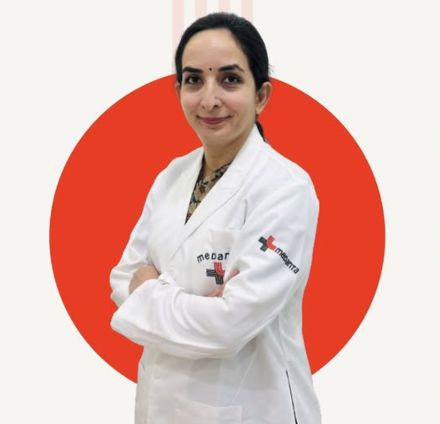
Dr. Esha Kaul
Director - Haemato-Oncology & Bone Marrow Transplant
Patient Story
Javokhir M.
Tashkent, Uzbekistan"The clinical coordinators at Carehind arranged our urology authorization files inside 5 days. Having an Uzbek-speaking helper in the ward gave my family complete peace of mind. The surgery succeeded beyond our hopes."
International Guides
Treatment estimates and guides for international patients: